

Dr. Ian MacArthur
September 15, 2026
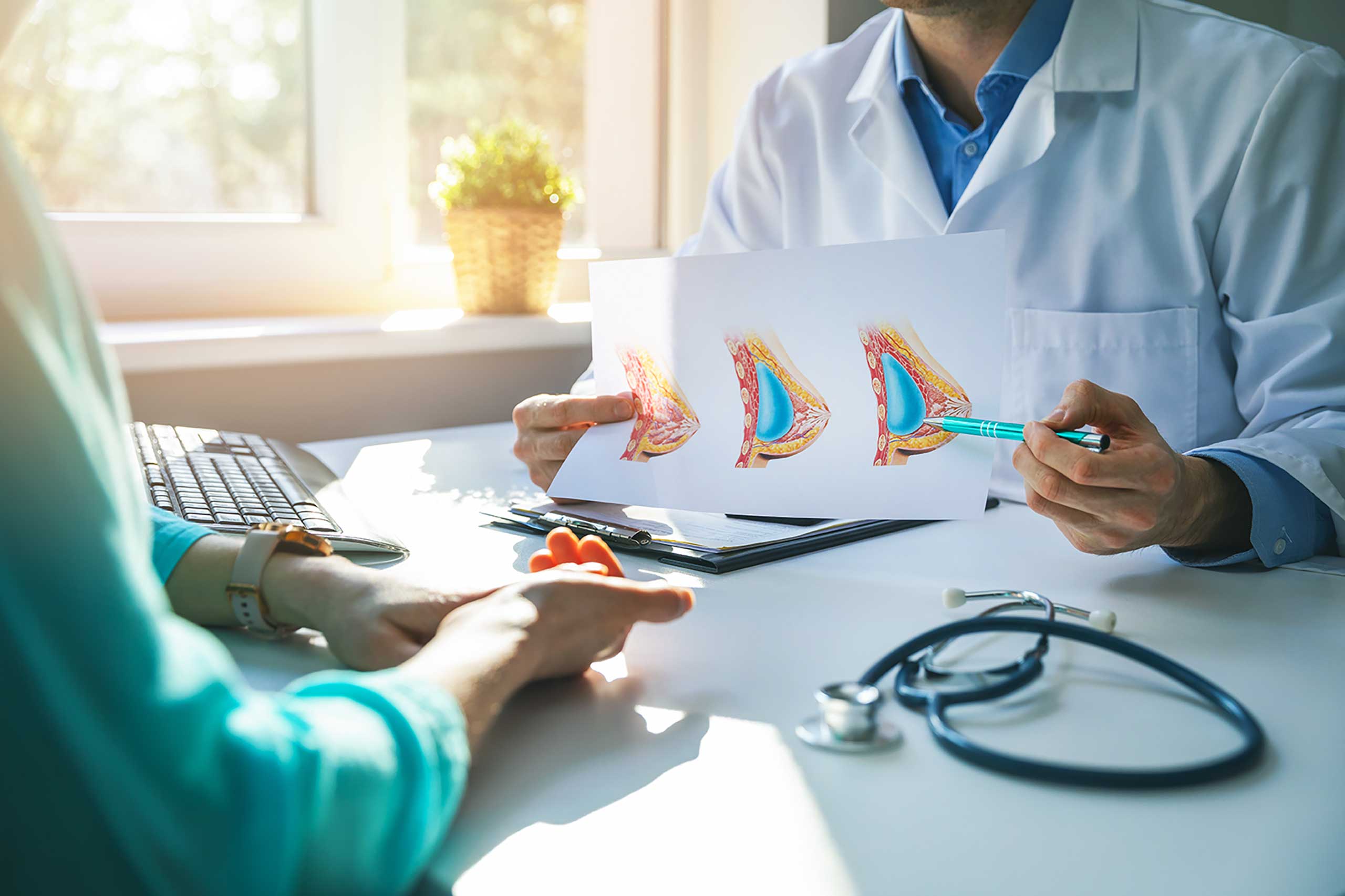
If you have breast implants, you may have been told that breast implants need to be replaced every 10 years. This is one of the most common questions patients ask about breast augmentation—and the answer may surprise you.
Breast implants DO NOT automatically need to be replaced after 10 years.
There is no set expiration date for breast implants. That being said, breast implants are not considered lifetime devices, and the likelihood of experiencing an implant-related complication increases with time. These can be issues like capsular contracture, rupture or malposition.
So, how long do breast implants last, and how do you know when it is time to consider breast implant replacement?
How Long Do Breast Implants Last?
Modern breast implants are designed to be durable and long-lasting. Some women have implants that remain intact and problem-free for 15, 20 years or longer.
Unfortunately, there is no way to predict exactly how long an individual breast implant will last.
Rather than automatically replacing breast implants every 10 years, Plastic Surgeons generally recommend monitoring them and evaluating any changes or symptoms that may develop.
If your implants are intact and you are comfortable and happy with your results, there may be no reason to replace your breast implants simply because they are 10 years old.
Why Do People Think Breast Implants Need to Be Replaced Every 10 Years?
The idea of a mandatory 10-year replacement timeline has become common because breast implants can develop complications over time.
While implants may eventually require replacement, 10 years is not a universal deadline.
The longer an implant has been in place, the greater the cumulative chance of problems such as rupture, capsular contracture or changes in the appearance of the breasts.
This is why ongoing follow-up is important—but it is different from routinely replacing implants on a fixed schedule.
When Should Breast Implants Be Replaced?
There are several reasons why breast implant replacement surgery may eventually be recommended.
1. Breast Implant Rupture
One of the most common reasons for implant replacement is rupture.
A saline implant rupture is usually noticeable because the breast gradually loses volume as the saline is absorbed by the body.
A silicone breast implant rupture can be more difficult to detect. Silicone implants can experience what is known as a “silent rupture,” where the implant has ruptured but there may be no obvious symptoms.
Appropriate imaging can help assess the condition of silicone implants.
2. Capsular Contracture
After breast augmentation, the body naturally forms scar tissue around the implant. This is called the capsule.
In some patients, the capsule can become unusually thick, tight or firm. This is known as capsular contracture.
Capsular contracture can cause:
- Firmness or hardness of the breast
- Breast discomfort or pain
- Changes in breast shape
- Implant displacement
- Increasing breast asymmetry
Depending on the severity and the patient’s goals, surgery may involve removing or modifying the capsule and replacing the implant.
3. Changes in Breast Appearance
Your breast implants may remain completely intact while your breasts change over time.
Pregnancy, breastfeeding, weight fluctuations, aging and changes in skin elasticity can all affect the appearance of your breasts.
You may eventually notice:
- Sagging or drooping breast tissue
- Changes in breast shape
- Increased asymmetry
- Changes in implant position
- Stretching of the skin
- A desire for a different implant size
In these situations, patients may consider breast implant replacement, breast lift surgery, implant removal or a combination of procedures.
4. Changes in Your Personal Preferences
Your reasons for having breast augmentation can change over time.
Some women who have had implants for many years decide they would prefer smaller implants or no implants at all. Others may want to change the size or type of implant.
Breast implant replacement does not always mean replacing an old implant with an identical one. Your plastic surgeon can discuss the options based on your current anatomy and aesthetic goals.
How Are Silicone Breast Implants Monitored?
If you have silicone gel breast implants, regular monitoring is important even if you feel completely well.
The U.S. FDA recommends imaging surveillance for silicone implants beginning 5–6 years after implantation and every 2–3 years thereafter to screen for rupture. Ultrasound is generally an appropriate first-line imaging test, with MRI used when further evaluation is needed.
Your surgeon may recommend a different approach depending on your individual circumstances, medical history and local guidelines.
Importantly, implant monitoring does not mean that an implant needs to be replaced simply because it has reached 10 years.
The purpose is to identify potential problems so they can be appropriately evaluated.
What Are the Signs You May Need Breast Implant Replacement?
If you have breast implants, contact your plastic surgeon if you notice a new or significant change, including:
- A change in breast size or shape
- New or worsening breast asymmetry
- Hardening around the implant
- Persistent breast pain or discomfort
- Swelling
- Changes in implant position
- A lump or unusual breast change
- A noticeable change following an injury or trauma
Some implant complications can occur without obvious symptoms, which is why appropriate follow-up is important.
What If My Breast Implants Are More Than 10 Years Old?
If your breast implants are 10, 15 or even 20 years old, their age alone does not necessarily mean they need to be replaced.
Instead, your plastic surgeon can assess:
- The condition of your implants
- Your breast tissue
- Your implant position
- Any symptoms or changes you have noticed
- Your imaging history
- Your current aesthetic goals
If everything looks and feels appropriate, continued monitoring may be all that is required.
If there is a concern, your surgeon can discuss whether breast implant replacement or another procedure would be appropriate.
Breast Implant Replacement vs. Breast Implant Removal
When an implant does need to be removed, replacement is not always the only option.
Depending on your anatomy and goals, your options may include:
Breast implant replacement: Removing the existing implants and replacing them with new implants, potentially with a different size or shape.
Breast implant removal: Removing the implants without replacing them.
Breast lift with implant replacement: Replacing the implants while also lifting breast tissue that has changed over time.
Breast lift with implant removal: Removing the implants and reshaping or lifting the remaining breast tissue.
Your plastic surgeon can help determine which approach is appropriate for you.
Frequently Asked Questions About Breast Implant Replacement
Do breast implants have to be replaced every 10 years?
No. There is no universal rule requiring breast implants to be replaced every 10 years. Implants are not lifetime devices, but they may remain intact and functional for many years beyond the 10-year mark.
How often should breast implants be replaced?
There is no fixed replacement schedule. Breast implants are generally replaced when there is a problem with the implant, a complication affecting the breast, or when the patient wishes to change or remove the implants.
How long do silicone breast implants last?
There is no guaranteed lifespan for a silicone breast implant. Some implants remain intact for many years, while others develop complications sooner. The risk of complications generally increases the longer an implant is in place.
Can breast implants last 20 years?
Yes. Some breast implants remain intact for 20 years or longer. However, individual outcomes vary, and long-term follow-up remains important.
Do breast implants need to be checked after 10 years?
If you have breast implants, ongoing follow-up is recommended. For silicone implants, your healthcare provider may recommend imaging to monitor for rupture. The appropriate timing depends on your individual circumstances.
Is it better to replace breast implants before they rupture?
Not necessarily. There is no general recommendation to remove every implant prophylactically at 10 years simply to prevent rupture. Your plastic surgeon can help you determine whether continued monitoring or elective replacement makes sense for you.
The Bottom Line
Breast implants do not automatically need to be replaced every 10 years.
While implants are not lifetime devices and may eventually require additional surgery, the decision to replace them should be based on the condition of the implant, your breast health, any symptoms or complications, and your personal goals.
If you have had breast implants for 10 years or longer, it is a good idea to discuss them with your plastic surgeon and make sure you have an appropriate monitoring plan.
At New Age Ottawa, we can assess your breast implants and discuss whether continued monitoring, implant replacement, implant removal, a breast lift or another approach is appropriate for you.
Concerned about your breast implants or wondering whether it is time for a change? Contact New Age Ottawa to book a consultation with our plastic surgery team.


With Medical Grade SkinCare you will see a visible improvement with the texture, tone, and clarity of your skin. You can get a fully customized skincare plan created by one of our Skin Health Experts. If you already know what you’re looking for you can check out NG’s Online Store.